Air Purifiers and Sleep: Can Cleaner Air Improve Daytime Sleep Quality?
Your Bedroom Air is Probably Kind of Gross
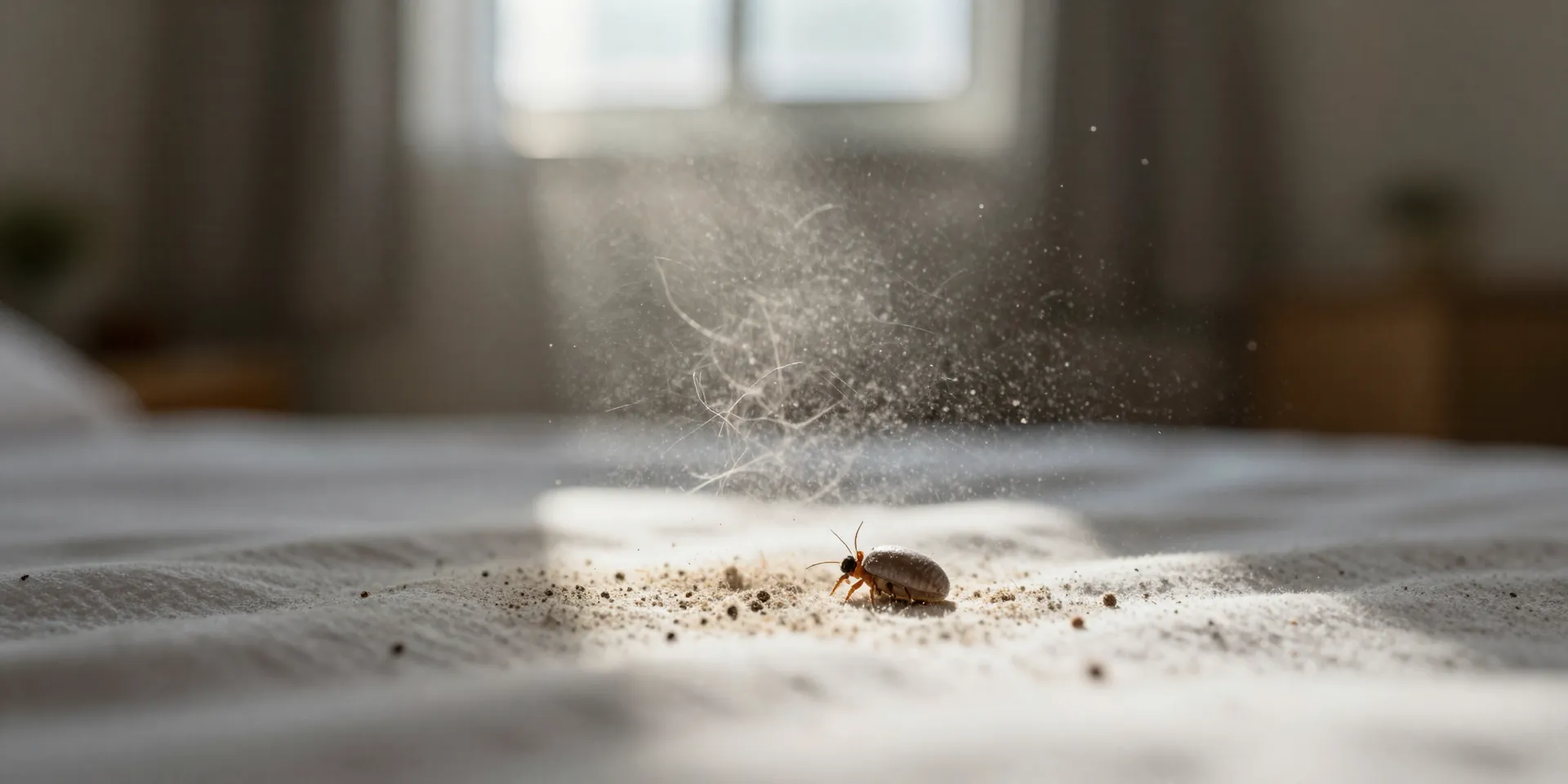
Let's be real for a second. You spend, what, a third of your life in your bedroom? Maybe more if you're on nights. Now, think about what's floating around in there. Dust. Skin flakes (yours and your partner's). Pet dander if you have a furry friend. Pollen that hitched a ride on your clothes. It's a microscopic particle party. And you're breathing it in. All night. For your body, especially when it's trying to repair and recharge, that's like asking it to run a marathon while chewing gum. It's extra work. Your immune system is on low-grade alert dealing with this junk. So yeah, cleaner air starts by just... having less junk.
HEPA: Your Secret Weapon for Uninterrupted Sleep (Especially for Shift Work)
Here's the thing about allergies and shift work: your body's rhythm is already messed with. Adding a stuffy nose, itchy eyes, or that weird pressure in your sinuses on top of that? Brutal. A proper HEPA filter is the bouncer for your bedroom. It doesn't just block the big stuff; it catches the tiny, irritating particles that can mess with your breathing and trigger that subtle inflammation that keeps sleep shallow. For day sleepers, this is huge. You're trying to sleep when pollen counts are high and the world is awake mowing lawns. A HEPA filter creates a clean, consistent bubble. No more waking up feeling like you slept in a haystack.
Silence is Golden (And Essential for Sleep)
This is non-negotiable. The best air purifier in the world is useless if it sounds like a jet engine preparing for takeoff. You need something that whispers. Look for models that specifically advertise a "sleep mode" or noise levels under 25 decibels. That's quieter than a library. On its highest setting for a big clean? Fine, it can rumble. But at night, it should fade into the background hum of your house. If you notice it, it's too loud. Period. Your brain needs to drift off, not listen to a fan symphony.
The Dyson Deep Dive: Worth the Hype?
Okay, let's talk Dyson. You see them everywhere. They look like they're from the future. So, are they the "best air purifier for a bedroom"? Maybe. But not for everyone. The good: They're brilliantly engineered, quiet on low settings, and combine air purification with a fan (great for hot sleepers). The app is slick. The bad: You pay a massive premium for that design. And honestly, as a pure air cleaner? A simpler, $200 box with a true HEPA filter will clean the air just as well, if not better, for the price. Dyson is for you if you want a 2-in-1 bladeless fan/purifier and love tech design. If you just want clean air silently, your money might be better spent elsewhere.
Picking Your Champion
Forget the marketing fluff. Look at three things. First, CADR (Clean Air Delivery Rate) for your room size. Get one rated for a room slightly *larger* than yours. Second, that noise rating on sleep mode. Under 25 dB. Third, and this is critical: filter replacement cost. Some companies practically give you the purifier and make their money on the $80 filters you need every 6 months. Do that math upfront. Find one with a readily available, reasonably priced HEPA filter. Stick it in the corner, turn it on, and forget it. Your lungs—and your sleep quality—will handle the thank you note.